Fall Prevention for Seniors: Tips to Keep Loved Ones Safe at Home
Falls are one of the leading causes of injury among older adults. As we age, changes in balance, strength, vision, and medication side effects can all increase the risk of falling. That risk becomes even more serious when the fall happens at home, where many seniors spend most of their time.
Understanding how to prevent falls is essential not only for physical safety but also for maintaining confidence and independence. At First Support Home Care, we help families identify fall hazards, make practical changes around the home, and support seniors with skilled care to reduce fall risks.
Why Fall Prevention for Seniors Matters
Falls can lead to serious injuries such as broken hips, head trauma, and long-term mobility loss. In addition to physical harm, the fear of falling again can cause seniors to limit their activity. This reduction in movement often leads to further loss of strength and balance, creating a cycle of increased fall risk.
Because of this, proactive fall prevention strategies are crucial. They help older adults stay safer and more confident in their daily routines.
Common Causes of Falls in the Home
Several factors contribute to falls among seniors, including:
-
Poor lighting in hallways and stairways
-
Cluttered walkways with rugs, cords, or furniture in the way
-
Slippery surfaces in bathrooms and kitchens
-
Loose or uneven flooring
-
Decreased muscle strength and balance
-
Medication side effects such as dizziness or drowsiness
-
Vision changes that affect depth perception
Identifying these risk factors is the first step toward effective fall prevention.
Practical Home Safety Modifications
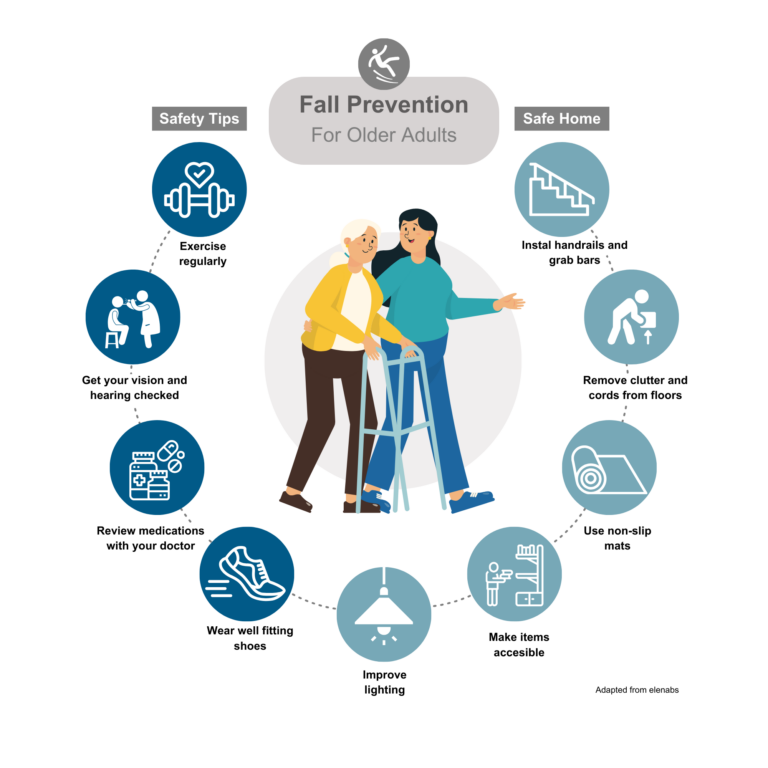
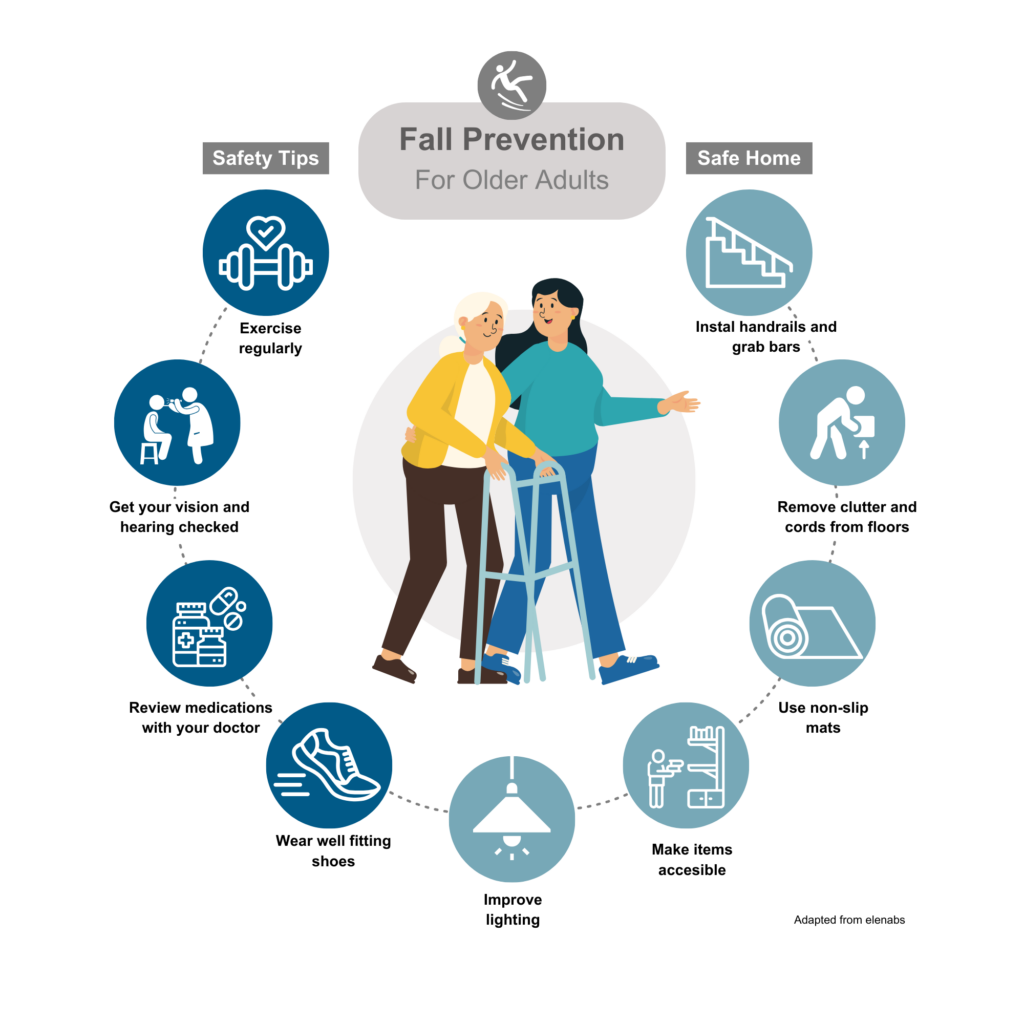
Below are key modifications that can make a home safer for seniors:
Improve Lighting Throughout the Home
Adequate lighting helps seniors see potential hazards. Installing brighter bulbs, night-lights, and motion-activated lights can reduce the chance of tripping in dim areas.
Clear Walkways and Reduce Clutter
Remove loose rugs, electrical cords, and clutter from frequently traveled paths. These simple changes eliminate common tripping hazards.
Install Supportive Handrails and Grab Bars
Handrails on stairways and grab bars in bathrooms give seniors stable points of support. In the bathroom, adding non-slip mats and grab bars near the shower and toilet can significantly reduce fall risk.
Keep Frequently Used Items Within Reach
Avoid placing everyday items on high shelves. Reorganizing cabinets so that essentials are easy to access reduces the need to use step stools or reach awkwardly.
Daily Habits to Lower Fall Risk
Fall prevention isn’t just about environmental changes. Daily routines and habits play a major role:
Stay Active and Exercise Regularly
Light strength training, balance exercises, and walking help maintain muscle tone and coordination.
Review Medications with a Healthcare Provider
Some medicines can cause dizziness or drowsiness. A healthcare professional can help adjust doses or timing.
Wear Supportive, Non-Slip Footwear at Home
Even indoors, proper footwear can improve stability and reduce slipping.
Schedule Regular Vision and Hearing Check-Ups
Good vision and hearing help seniors detect hazards and respond quickly.
The Role of First Support Home Care in Fall Prevention
Fall prevention for seniors is a team effort. Families may want support in identifying hazards, implementing changes, and monitoring daily activities. That’s where First Support Home Care can help.
Our trained caregivers provide:
-
In-home safety assessments to pinpoint fall risks
-
Assistance with daily activities such as walking, bathing, and transferring
-
Companionship and supervision during movement to prevent unsteady moments
-
Medication reminders to minimize side effects that contribute to falls
-
Personalized mobility support tailored to the senior’s abilities
By working with families and healthcare professionals, our care team helps seniors live safely and confidently in their own homes.
Encouraging Confidence and Independence
Preventing falls goes beyond physical safety—it supports dignity and independence. When seniors feel secure in their environment and routines, they are more confident in their ability to stay active, engage with family, and enjoy everyday life.
Fall prevention for seniors isn’t a one-time task—it’s an ongoing process that adapts as needs change. With the right support and habits in place, most falls are preventable.
Want More Help Keeping Loved Ones Safe?
If you’re concerned about fall risks or want personalized support for your aging family member, First Support Home Care is here to help. Our compassionate caregivers provide reliable, attentive care designed to protect seniors and give families peace of mind.